



Bleaching can leave hair dry, brittle and harder to detangle because chemical lightening affects the hair fibre. The first useful response is not a miracle repair claim: it is consistent conditioning, gentler handling and avoiding additional heat and tension while you assess the damage.
When I talk to Kaleja Silks customers, dry hair and split ends after chemical treatment are recurring concerns. I’m Sabine Kaleja, and I would rather help somebody build a realistic routine than promise that a cream or pillowcase can undo bleaching.
What does bleached hair actually need?
The hair shaft is not living tissue that can regenerate a damaged section. A suitable conditioner or leave-in cream can improve feel, slip and manageability, while professional treatment or a trim may be necessary when damage is severe. The American Academy of Dermatology notes that lightening can make hair dry and brittle.
7 practical changes for dry, bleached hair
1. Condition after each wash
Work a suitable rinse-out conditioner over the lengths as directed. Shampoo the scalp rather than vigorously rubbing all of the hair together.
2. Add leave-in care where you need it
My everyday routine includes Kaleja TREAT leave-in hair cream. It contains panthenol, hydrolysed oat protein and jojoba oil. Apply a small amount to damp or dry lengths and ends; do not rinse. It is designed to improve the feel of hair, not permanently restore an already damaged shaft.
3. Untangle from the ends
Do not force a brush through stubborn knots. Detangling technique depends on hair texture; start gently and use a suitable wide-tooth comb or brush.
4. Reduce hot styling
Try air drying when practical and lower the use of hot tools. When you want curls, a silk heatless curler can replace the heated curling step. However, do not wrap compromised hair too tightly.
5. Avoid tight styles and sharp accessories
I use silk scrunchies as part of a gentler routine. The more important rule is to avoid pulling hard at the roots and repeatedly tightening the same section.
6. Make the night routine gentler
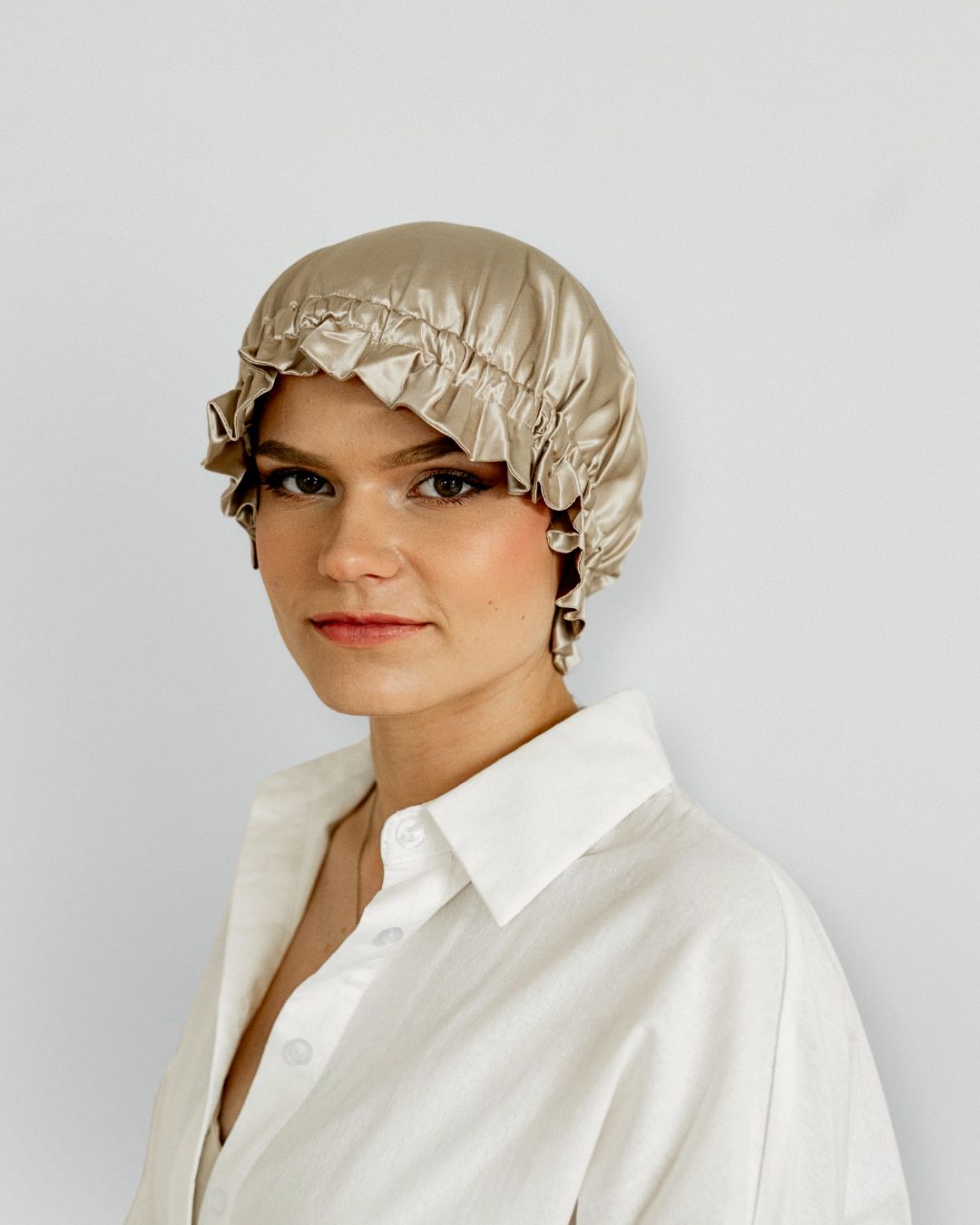
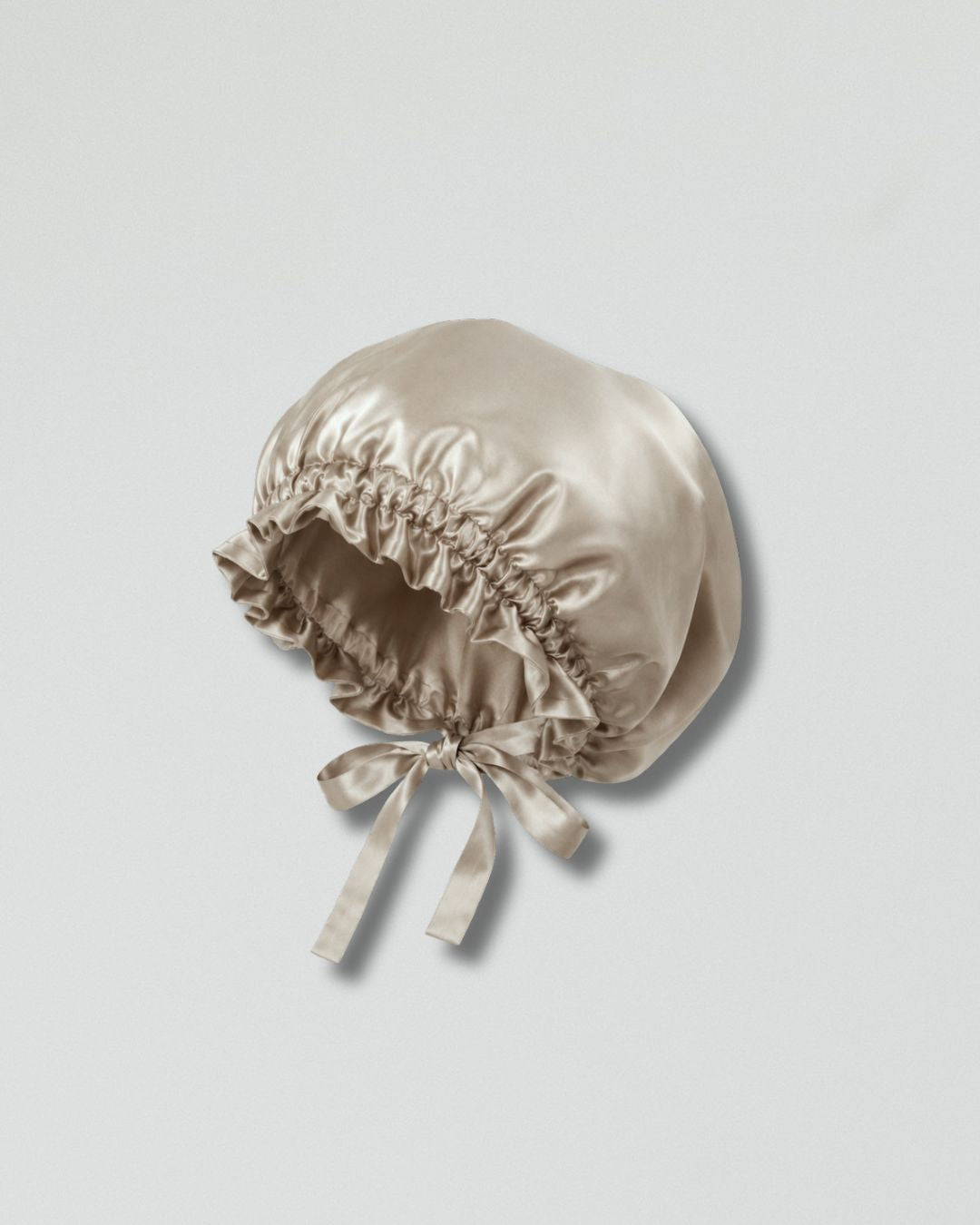
A smooth silk pillowcase or comfortably fitting bonnet may reduce snagging as you move in bed. Neither repairs bleaching. If knots are the main issue, start with our overnight tangling checklist.
7. Know when home care is not enough
Hair that keeps breaking, feels gummy when wet, or comes away in unusual amounts deserves professional attention. For scalp burning, irritation or hair loss, consult a qualified clinician.
Comparison: what each product or habit can realistically do
| Option | Best role | What it cannot promise |
|---|---|---|
| Rinse-out conditioner | Slip and manageability after washing | Permanent reversal of chemical damage |
| TREAT leave-in cream | Softer feel and care for lengths and ends | Restoring broken bonds clinically or curing hair loss |
| Silk pillowcase or bonnet | Smoother nighttime contact and less catching | Rebuilding a damaged hair shaft |
| Heatless curler | Styling without a hot curling tool | Zero mechanical stress if wrapped tightly |
| Professional cut or consultation | Addressing very damaged ends and persistent concerns | Instant new hair growth |
How I would simplify the routine
Wash day: shampoo the scalp, condition the lengths, blot rather than rub, then apply a modest amount of TREAT where hair feels dry. Styling day: choose lower heat or a comfortable heatless method. Bedtime: gently detangle, avoid tight hair ties and choose a comfortable surface or bonnet.
This is intentionally simple. More products do not automatically equal better hair. For a separate explanation of why hair can grow at the roots but fail to retain length, see the length-retention guide. For a more focused discussion of damaged ends, see our split-ends article.
If you have previously worn extensions and want a broader, gentler routine, see my personal story after hair extensions.
Frequently asked questions
Can a leave-in cream repair bleached hair permanently?
No. It can condition the hair and improve how it feels and behaves, but it should not be described as restoring the fibre to its original state.
Is a silk pillowcase useful for bleached hair?
It may be a sensible choice to reduce some nighttime rubbing, although conditioning and limiting further chemical and heat stress remain central.
Are heatless curls completely damage-free?
No styling is free from mechanical forces. Avoid painful tension, especially on fragile hair.
Can severely damaged ends be saved with oil?
Oil can make hair feel smoother in some routines; it cannot permanently reconnect split fibres. Seek professional advice about trimming badly damaged ends.

Share:
Why Does Hair Tangle Overnight? 8 Causes and Fixes