


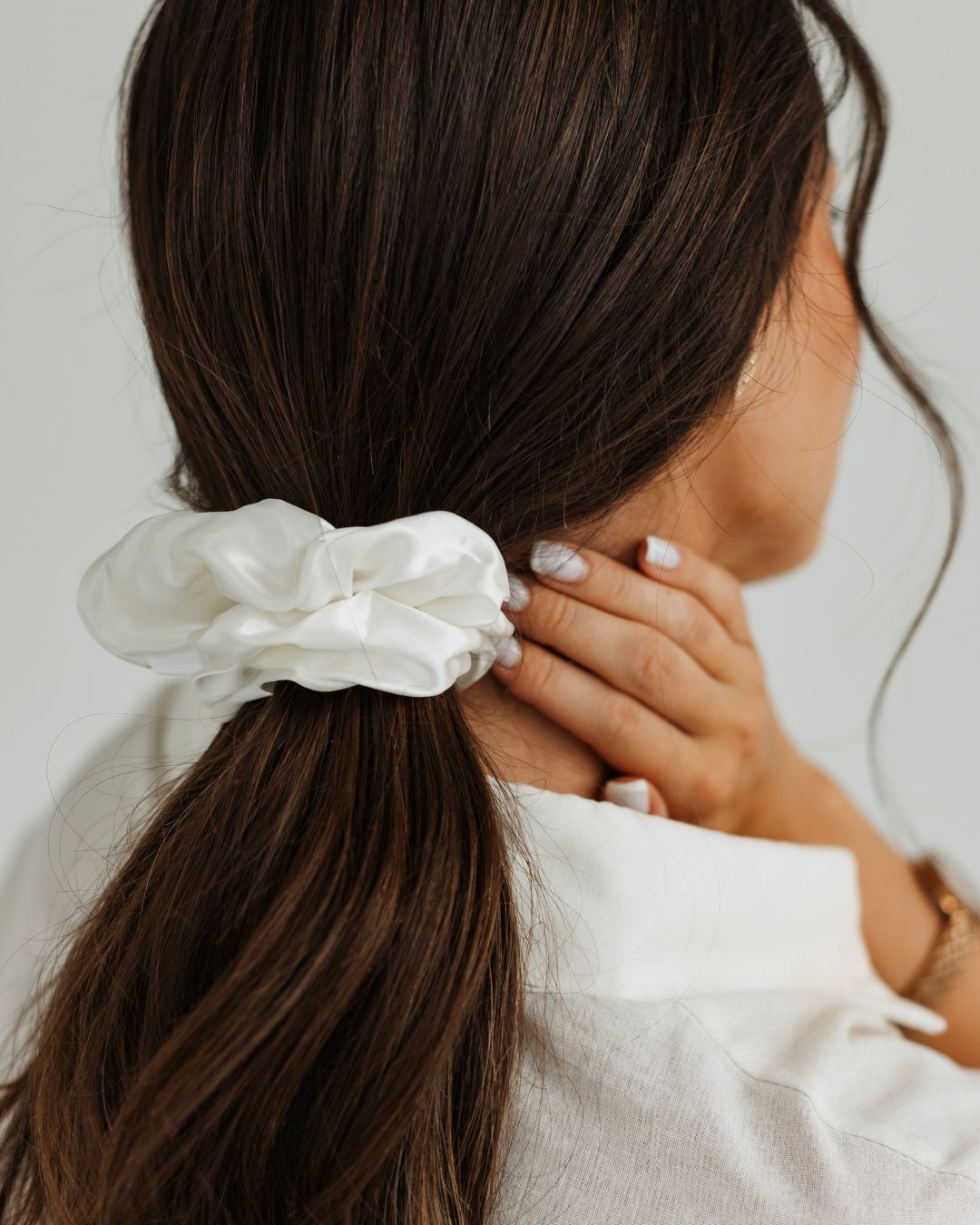
Hair can tangle overnight when loose strands rub, twist and catch against one another. Dry or chemically processed lengths, the way you sleep, the fabric against your hair and an overly tight or loose bedtime hairstyle can all contribute. A silk pillowcase or bonnet may make the routine gentler, but neither solves every cause of knots.
I’m Sabine Kaleja, founder of Kaleja Silks. A silk pillowcase, silk hair ties and a sleep bonnet are part of my own daily routine. I love the smoother feel, yet when somebody asks me about tangled hair I still start with the basic question: what is happening to the hair before bedtime?
8 reasons your hair may tangle while you sleep
| Possible cause | Clue | What I would try |
|---|---|---|
| 1. Friction against bedding | Surface frizz and knots concentrated near the pillow contact area | Try a smoother pillow surface |
| 2. Dry lengths | Rough, thirsty-feeling ends | Condition lengths and add a small amount of leave-in care |
| 3. Bleaching or heat damage | More snapping and difficult detangling | Reduce further stress and simplify styling |
| 4. Hair worn loose without detangling | Knots forming in the same long sections | Gently separate strands before bed |
| 5. Very tight hair ties | Pressure or pulling at the roots | Loosen the style and use a soft-covered tie |
| 6. Damp hair going to bed | Hair still wet at the roots or inside a bundle | Allow hair to dry sufficiently and avoid tight wet styles |
| 7. Too little space inside a bonnet | Lengths crushed or pushed into a knot | Check fit and room for the hair |
| 8. Styling-product build-up | Sticky, coated sections that catch | Wash and condition as appropriate for your hair type |
My five-minute bedtime check
- Check the ends. If they are dry, use a small amount of TREAT leave-in cream on lengths and ends, not the scalp.
- Separate tangles gently. Begin at the ends and work upward, without pulling.
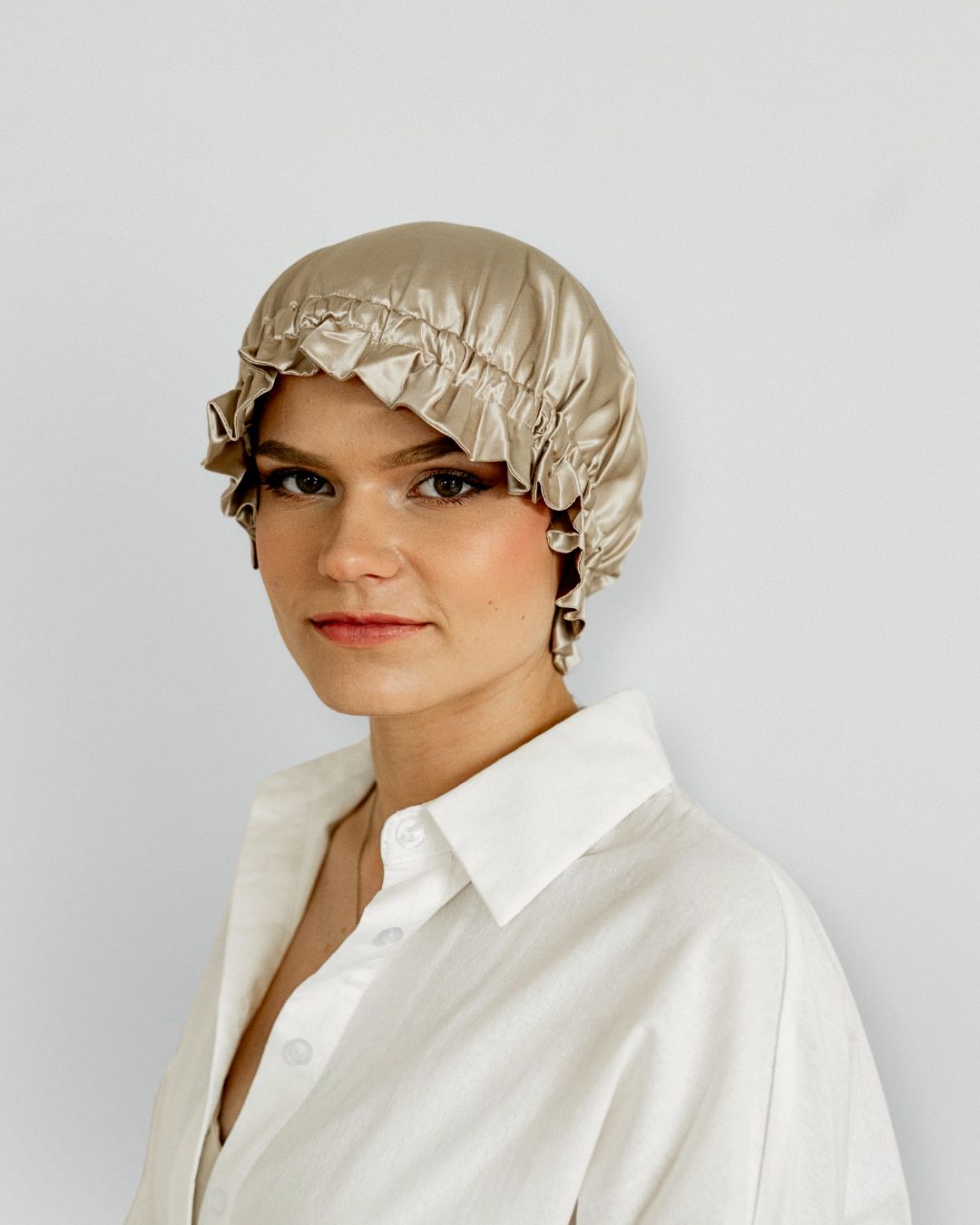
- Choose how to contain your hair. Leave it loose on a silk pillowcase, or gather lengths comfortably in a silk sleep bonnet.
- Check tension. If you use a silk scrunchie, the scalp should not feel pulled.
- Check comfort on the pillow. A bonnet that presses, slips or compresses your hair is not automatically the better choice.
Silk pillowcase vs silk sleep bonnet: which makes more sense?
| Situation | What I would try first | Trade-off |
|---|---|---|
| You dislike wearing anything on your head at night | Silk pillowcase | Hair remains free to move |
| Long hair twists into knots around itself | Comfortably fitting bonnet | Must leave space for the hair and fit without pressure |
| You want comfort where your face touches the pillow | Silk pillowcase | Does not keep hair gathered |
| You already have one and wonder whether you need both | Improve your routine first | Neither is compulsory |
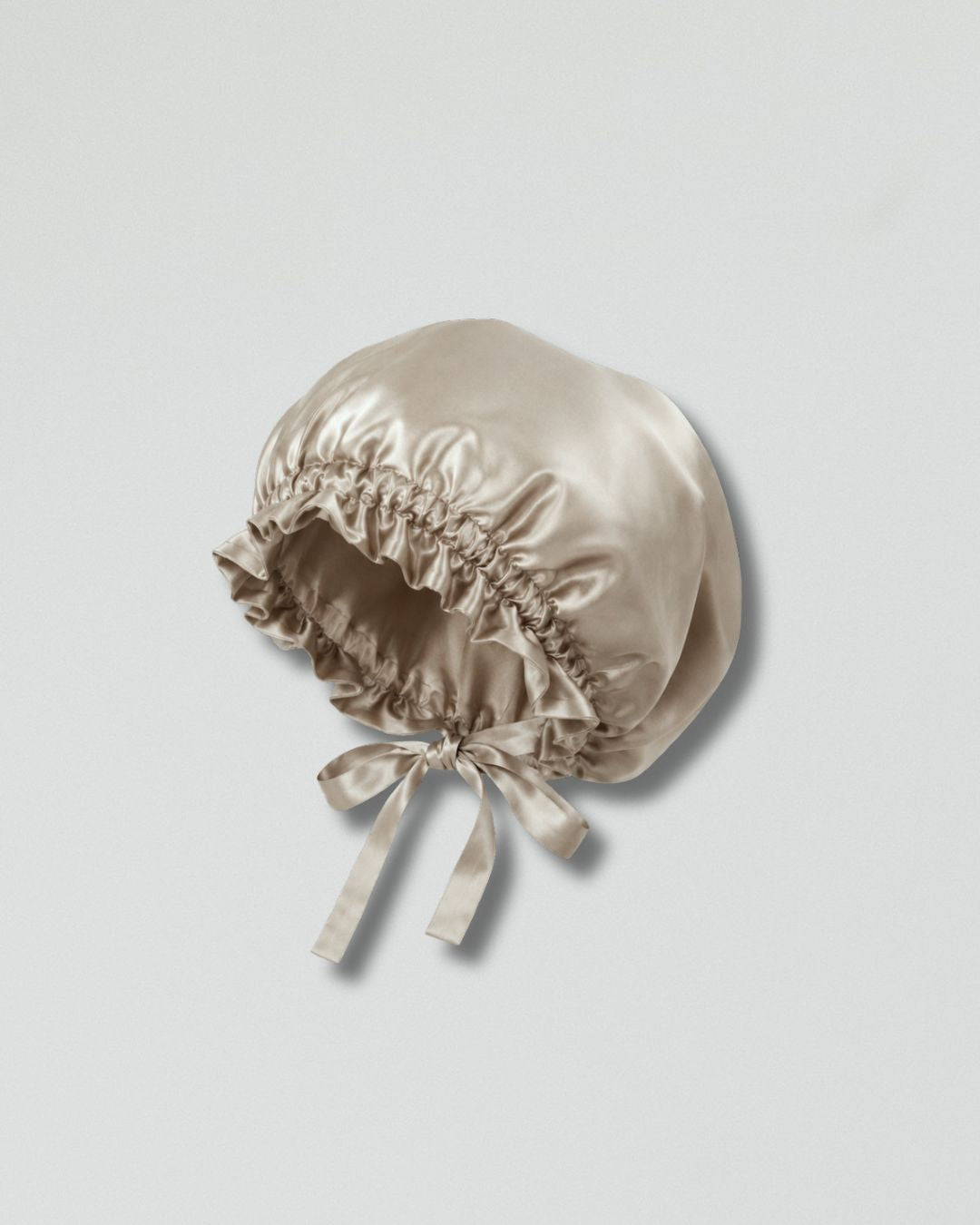
For hair alone, I see the two as partial alternatives. The pillowcase also touches your face, which is why I personally use both. A bonnet does not need to be tight to work. Our adjustable silk bonnet may suit someone who wants to fine-tune the fit, but always check the actual shape and space for the lengths.
What if the knots are a sign of damaged hair?
If tangles come with frequent snapping, an unusually rough texture or breakage after bleaching, the priority is the condition of the hair, not buying more accessories. Read the guide to caring for dry, bleached hair and consider advice from a hair-care professional if damage is significant. For a product-focused explanation, see what a silk pillowcase can and cannot do for hair.
Frequently asked questions
Is it better to sleep with hair up or down?
It depends on hair length, texture and comfort. A loose arrangement can prevent strands from moving as much, but a tight hairstyle can increase tension.
Does a silk bonnet prevent all tangles?
No. It may help keep the hair contained, while dryness, existing damage and technique still matter.
Can I sleep with wet hair in a silk bonnet?
I prefer to avoid tightly containing very wet hair overnight. Allow it to dry sufficiently and check the product’s care instructions.
Should I choose a bonnet for fine hair?
Fine hair can benefit from a gentle routine, but the most important considerations are comfortable fit, enough room and avoiding excess tension.

Share:
Hair Care After Extensions: Sabine’s Practical Routine
Bleached Hair Dry and Brittle? 7 Changes That Help