


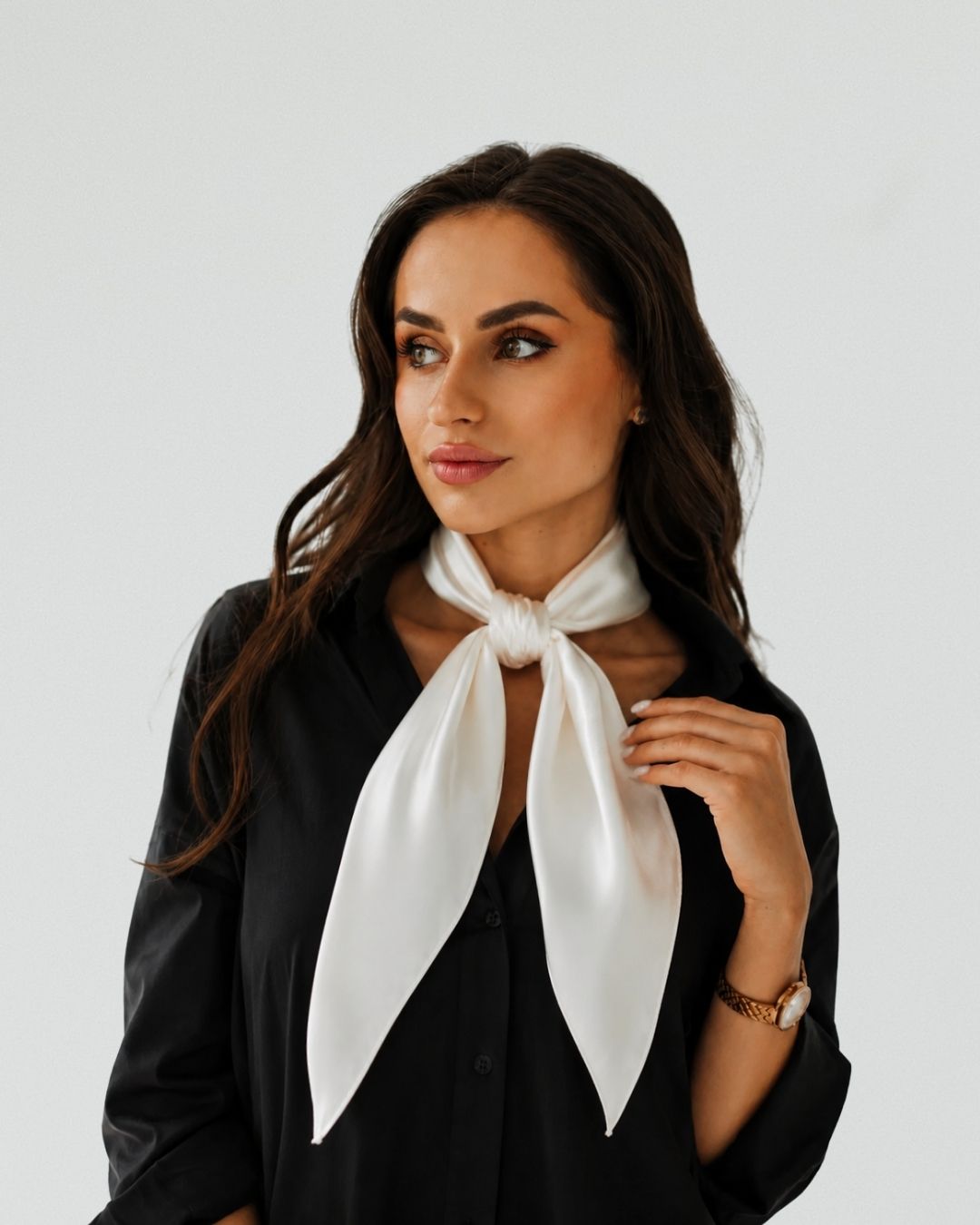
After removing hair extensions, the most useful first step is to understand what your natural hair and scalp actually need. Some people notice tangles, dryness or breakage; others have no difficulty. A realistic routine reduces pulling, uses conditioner appropriately and seeks professional advice if there is unusual shedding or scalp discomfort.
I'm Sabine Kaleja, founder of Kaleja Silks. Hair length, thickness and quality used to worry me, and I wore hair extensions for a long time because I wasn't happy with my natural hair. Extensions also required substantial care, time and money. Choosing to pay more attention to my own hair was part of the journey that sparked my interest in silk. It was a personal decision, not proof that any single fabric causes hair to grow.
What changed when I focused on my own hair?
I began thinking about the routine as a whole rather than one product. My everyday favourites now include a silk pillowcase, silk hair ties, a sleep bonnet and TREAT leave-in cream. I also use Hair Elixir and silk heatless curlers during the week.
I personally noticed smoother, softer-feeling hair and, over time, changes in the appearance of my ends, length and fullness. I cannot isolate which habit made the difference, nor would I promise anyone the same outcome.
7 steps I would use to build a gentler routine
1. Check your scalp and hairline first
If extensions were pulling, causing scalp pain or leaving visible thin patches, stop tight styles and seek assessment from a clinician or hair professional. Traction-related hair loss is a recognised risk of continuously tight styles.
2. Start with the wash routine
Choose shampoo and conditioner for your own hair type. Focus shampoo on the scalp and use conditioner to improve detangling along the lengths.
3. Work on length retention, not only growth claims
Short broken sections and scalp shedding are not the same. My breakage versus hair loss guide offers a comparison and helps identify when a beauty routine is insufficient.
4. Use leave-in care in small amounts
I use TREAT on the lengths and ends. Begin with a little and add more only if necessary. A leave-in cream is for comfort, slip and manageable hair; it cannot treat a hair-loss condition.
5. Choose accessories by comfort
My silk scrunchies help me avoid rough contact, but I still check that the hairstyle is not tight. Silk is not a substitute for reducing tension.
6. Protect the hair from avoidable friction at night
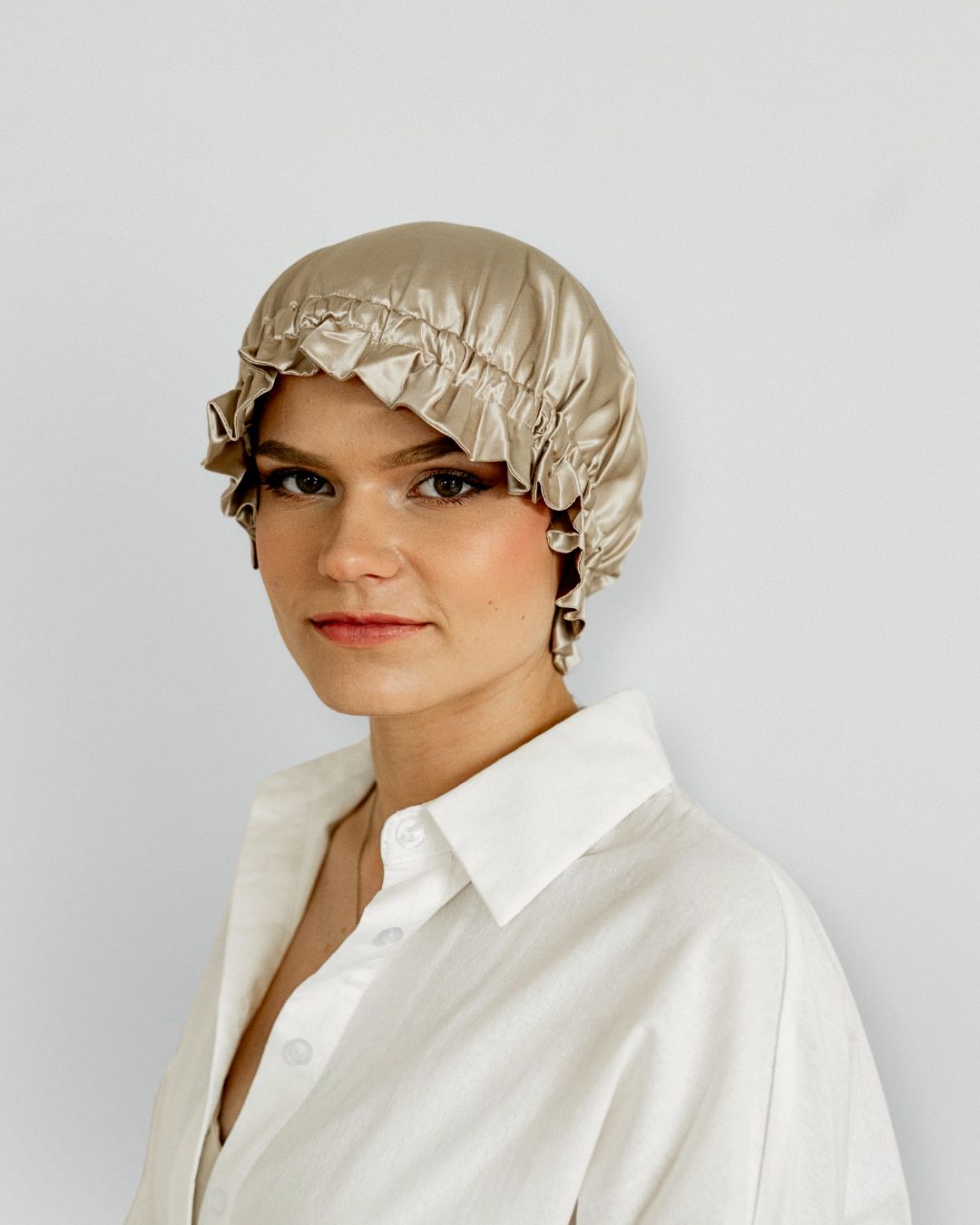
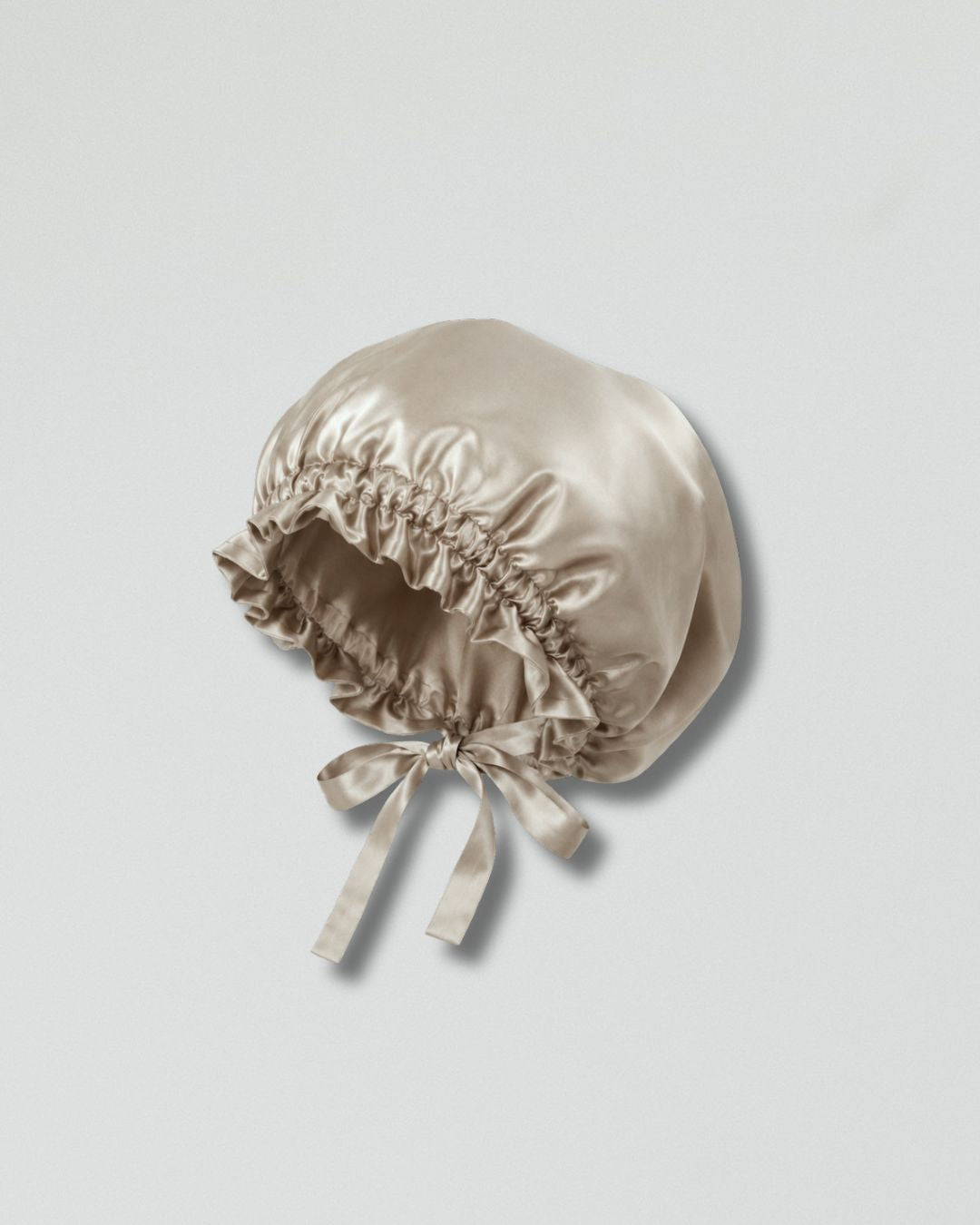
I use both a silk pillowcase and a bonnet. They can partly substitute for one another when the goal is gentler contact with the hair. If a bonnet feels uncomfortable, I would not force it. See why hair tangles overnight for a practical checklist.
7. Style with fewer hot tools
My favourite heatless-curler model is Classic for more defined curls. Large suits the airier, fuller look I sometimes want; Blowout is a useful option to consider for shorter cuts and finer hair. The right choice still depends on technique and hair structure. If curls do not hold, use our existing nine-point troubleshooting guide.
My routine at a glance
| When | What I do | Why it matters to me |
|---|---|---|
| Most days | Pillowcase, comfortable silk ties, bonnet and TREAT | Consistency and a smoother feel |
| During the week | Hair Elixir and a heatless curler | Scalp-care ritual and styling without a hot curling iron |
| When assessing progress | Look at breakage, softness and how hair behaves over time | More realistic than a deadline for hair growth |
What I would not promise
I would not say silk cures alopecia, restores broken hair or guarantees new growth after extensions. Hair density and growth have many influences, including medical ones. If you notice persistent scalp pain, patchy loss or thinning, seek medical advice instead of relying on product recommendations.
Frequently asked questions
How long does hair take to recover after extensions?
There is no universal timeline. It depends on the hair's condition, the extension method and whether there is breakage or a scalp condition. Seek specialist guidance for significant changes.
Should I use a silk bonnet and pillowcase together?
You can, and I do, but you do not need both. Comfort and how your hair behaves matter more than buying a complete set.
Is Hair Elixir essential after removing extensions?
No. It is an optional part of my personal routine. It is not a proven treatment for extension-related hair loss.
Why does my hair feel thinner without extensions?
Perception can change when the added volume is removed. Actual thinning or shedding needs its own assessment; it cannot be diagnosed from the change in styling alone.
Share:
Why Won’t My Hair Grow Longer? Breakage vs Hair Loss
Why Does Hair Tangle Overnight? 8 Causes and Fixes