



Hair that seems to stop growing may actually be growing at the roots while the older lengths break away. That is different from increased shedding or thinning at the scalp. I would first look at the signs, then change the habits that put unnecessary stress on the hair. No pillowcase, oil or cream can diagnose hair loss or guarantee faster growth.
I’m Sabine Kaleja, founder of Kaleja Silks. I used to worry about my hair’s length, fullness and condition, and wore extensions for a long time. Looking after extensions took time, money and attention. Wanting to care for my natural hair became one of the reasons I explored silk. This is my perspective as a founder and a customer of hair-care routines, not a medical diagnosis.
Is your hair not growing, or are the ends breaking?
These can look similar in the mirror, but they call for different next steps. Growth happens in the follicle. The length you can see depends partly on what happens to the older hair shaft over time.
| What you notice | What it might mean | First useful step |
|---|---|---|
| Short broken strands, rough ends, snapping when brushed | Breakage along the hair shaft | Review detangling, conditioning, chemical treatments and heat |
| More hair coming away from the root, a widening part, or visible thinning | Shedding or a possible hair-loss condition | Seek a healthcare professional’s advice, especially if persistent or sudden |
| Hair looks healthy at the roots but never gets past one length | Possible length-retention problem, among other causes | Track breakage and your routine rather than assuming growth has stopped |
If you notice sudden or patchy loss, scalp inflammation or progressive thinning, do not rely on a beauty routine to identify the cause. The NHS guide to hair loss explains why medical assessment can matter.
7 habits I would check to help retain hair length
1. Treat the ends as the oldest, most vulnerable part
Apply conditioner after shampooing and work a suitable leave-in product through lengths and ends where needed. My daily choice is Kaleja TREAT leave-in hair cream with panthenol, oat protein and jojoba oil. It helps the hair feel conditioned; I would not describe it as rebuilding hair that has already split.
2. Detangle gently rather than brushing through knots
Start at the ends and move upward with a suitable comb. The best time to detangle depends on texture: the American Academy of Dermatology distinguishes straight hair from tightly curled hair when advising on wet detangling.
3. Reduce repeated heat and chemical stress
Frequent hot tools and bleaching can increase brittleness. Where the desired style allows it, I use a silk-covered heatless curler rather than high-temperature curling. It removes the hot-tool step, but tight wrapping can still create mechanical tension.
4. Avoid tight ponytails
A smooth accessory is useful only when it is comfortable. I use silk scrunchies daily and avoid pulling my hair tight at the roots. Fabric cannot cancel out the force of an overly tight hairstyle.
5. Consider what happens while you sleep
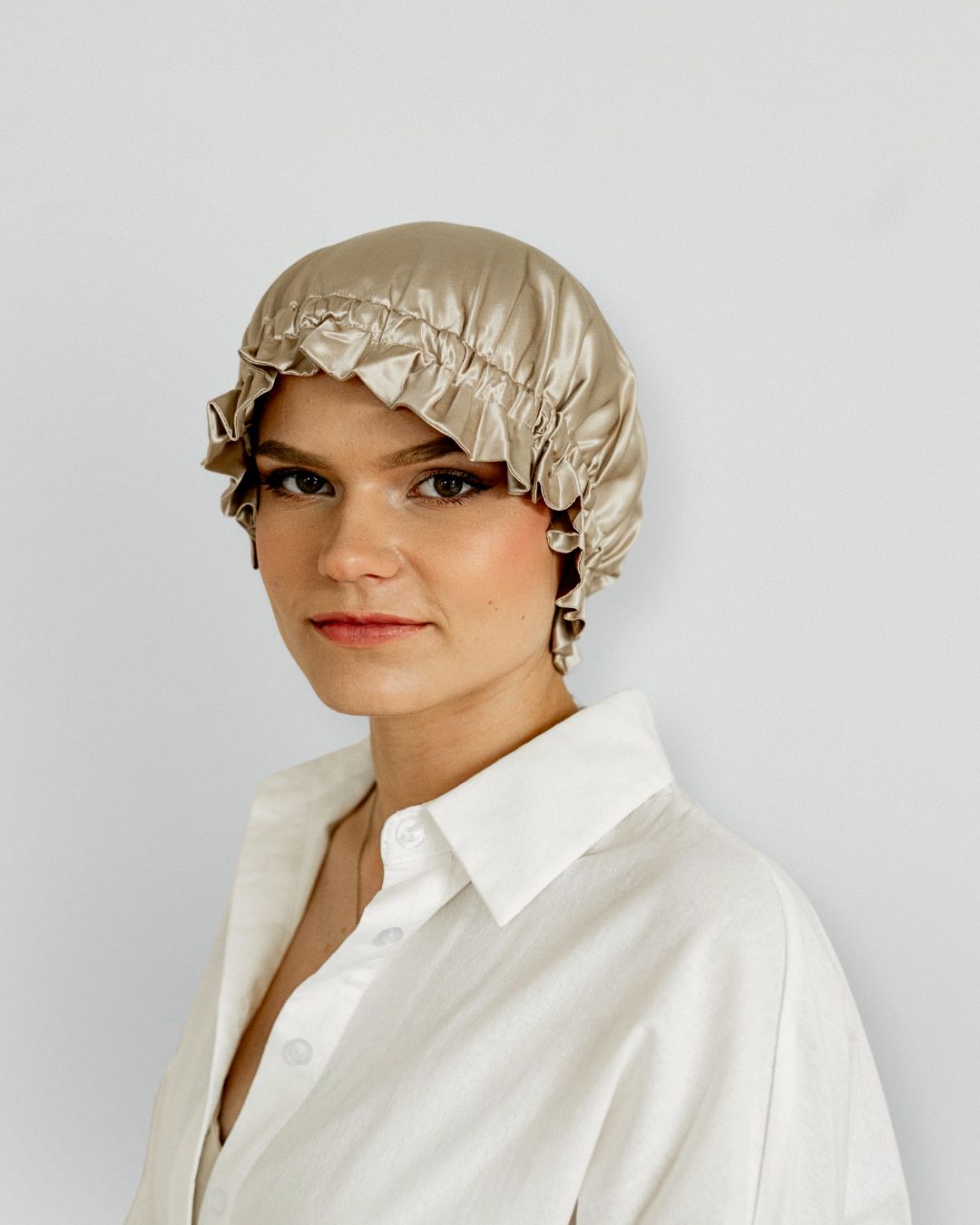
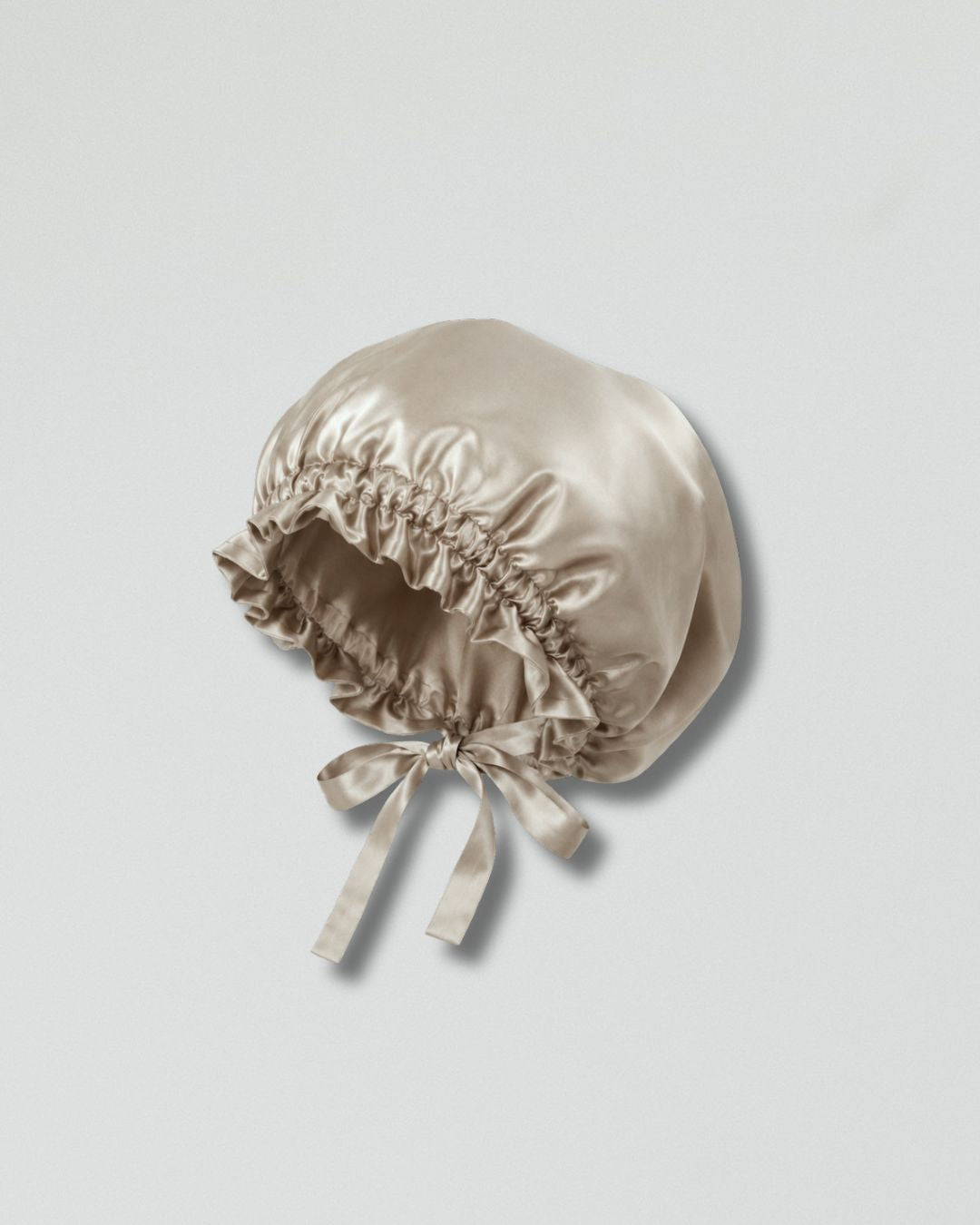
My everyday routine includes a silk pillowcase and silk sleep bonnet. They offer smoother surfaces and an option to gather hair, although they cannot restore chemically damaged strands or make hair grow faster. If mornings start with knots, see my separate guide to why hair tangles overnight.
6. Keep scalp care simple and consistent
I use Hair Elixir about once per week in my personal routine. I noticed changes in the appearance of my hair over time, but I cannot attribute those changes to one product. Oil is optional scalp and hair care, not a substitute for investigation of hair loss.
7. Track the right change
Try photographing the same section of hair under similar conditions every four to six weeks. Note changes in breakage, detangling difficulty and how the ends feel. That gives more useful information than judging hair growth every morning.
What can silk help with, and what can it not do?
| Question | Realistic answer |
|---|---|
| Can silk reduce snagging? | A smooth contact surface may reduce some friction and pulling during everyday use. |
| Can silk repair split ends? | No. Split ends cannot be permanently rejoined by a textile. |
| Can a hair oil guarantee new growth? | No. Cosmetic routines should not be presented as treatments for a hair-loss condition. |
| Can gentler habits help hair reach a longer visible length? | They may reduce avoidable breakage, helping you retain length when breakage is the limiting factor. |
For the material itself, I explain the limits more fully in Silk for Hair: Benefits, Limits and What to Expect. If your main concern is already-split ends, use our focused split-end care guide rather than treating this article as a replacement.
For the personal story behind the routine, read my experience of caring for natural hair after extensions.
Frequently asked questions
Does hair always grow at the same speed?
No. Hair-growth patterns vary. Hair length also reflects trims, breakage and how you measure it. Persistent changes in shedding or density warrant professional advice.
Why do I see short hairs near my hairline?
They might be new growth or broken hairs. A photo alone may not tell the difference. If the change is unusual, ask a dermatologist.
Does a silk pillowcase make hair grow faster?
There is no good basis to promise faster follicular growth from a pillowcase. Its role is a smoother contact surface.
Should I buy every hair-care accessory at once?
No. I would begin with the part of your routine that causes the most friction, heat or pulling, then add only what you actually use.

Share:
Rosemary Oil for Hair – Why Has It Become One of the Most Popular Hair Care Products?
Hair Care After Extensions: Sabine’s Practical Routine