


When someone searches for the best pillowcase material for hair, I want them to look past the glossiest photograph. The useful question is how a fabric feels against your hair, how it washes and whether you will be happy using it every night. No pillowcase can cure hair loss, regrow strands or repair split ends.
I am Sabine Kaleja, founder of Kaleja Silks. I favour a genuinely smooth sleeping surface, but I also think there are honest reasons to choose cotton, bamboo-derived fabric or polyester satin. Here is my six-fabric comparison, from the hair-care perspective rather than a misleading promise that one material wins every category.
Six pillowcase materials at a glance
| Fabric | Surface and feel | Hair-related consideration | Care and budget |
|---|---|---|---|
| 100% Mulberry silk satin | Smooth, supple finish | A good option when reducing snagging is a priority | Premium; gentle care |
| Polyester satin | Can be very slippery | Smoothness may help, but it is not silk | Usually more affordable |
| Bamboo-derived viscose or lyocell | Often soft and drapey | Finished weave determines friction | Varies by product |
| Cotton sateen | Smooth cotton weave | Practical middle ground | Often easier care |
| Cotton percale | Crisp, matte finish | May feel less slippery | Durable everyday option |
| Linen | Textured, airy feel | Not my first pick for low-friction contact | Casual texture; label-dependent care |
This is not a measured friction ranking. Two fabrics with the same fibre name can feel different because of weave, finish, wear and washing.
1. Mulberry silk satin: my premium choice
Real silk is a natural protein fibre. When woven with a smooth satin face, it creates the soft contact surface I look for in a pillowcase. For long, curly, colour-treated or easily tangled hair, reducing unnecessary rubbing is a sensible goal, even though the size of the benefit varies by person.
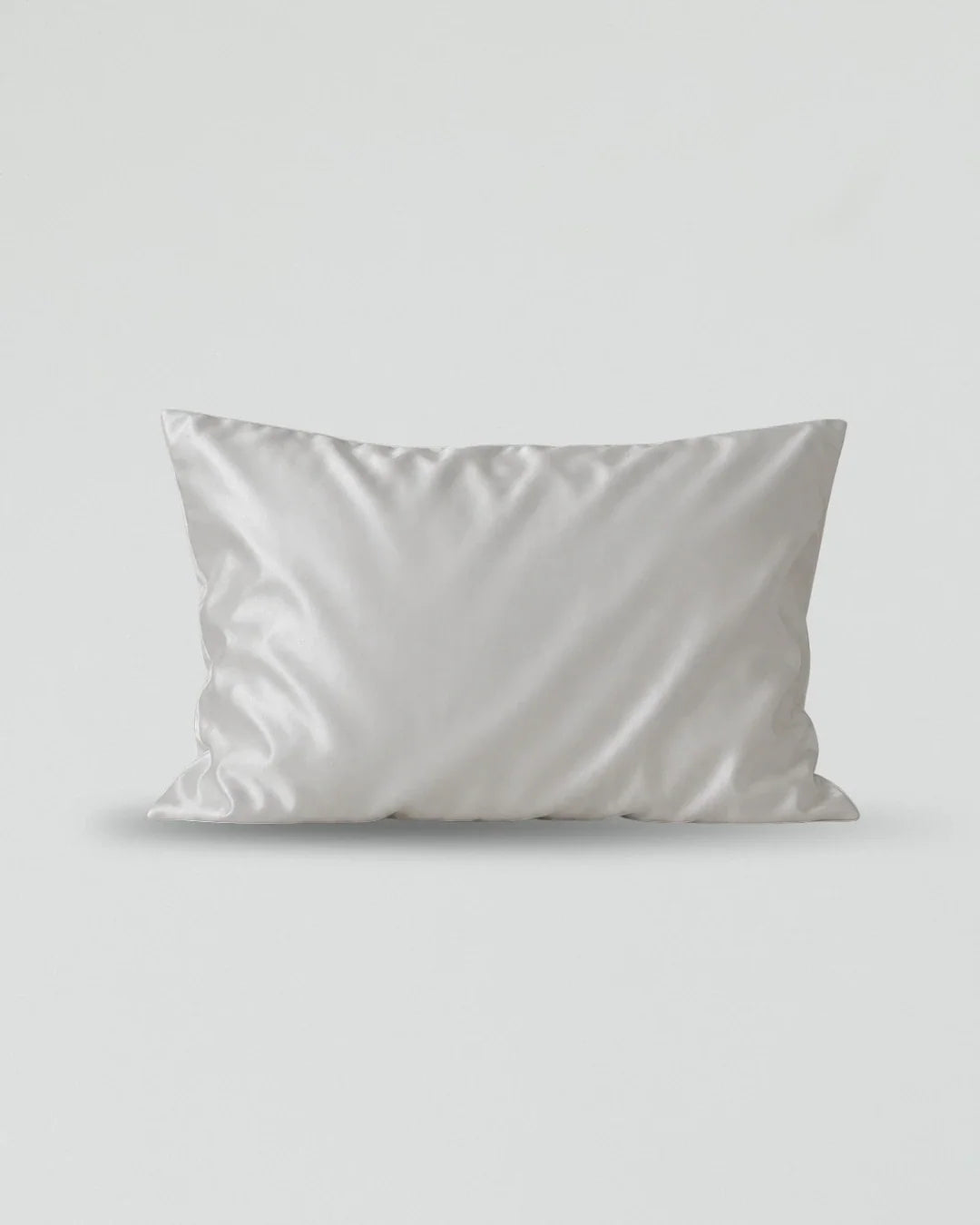
Our Kaleja Silks Mulberry Silk Pillowcase is labelled 100% Mulberry silk, 22 momme, in 50 × 60 cm and 50 × 70 cm sizes. Momme describes silk fabric weight; it is not a magical hair-benefit score. I would choose this if I value the natural silk fibre, its feel and a finished, well-sewn product. Trade-off: a higher price and more delicate washing.
2. Polyester satin: smooth on a smaller budget
Satin is a type of weave, not a synonym for silk. Polyester satin may feel smooth and slippery at a lower price. I would not dismiss it as useless for hair just because it is synthetic.
The important questions are the actual fibre composition, the quality of the finish and how it feels after multiple washes. Trade-off: the sensation and moisture handling can differ from silk, and a shiny label tells you very little about fibre quality.
3. Bamboo-derived viscose or lyocell: check the fibre label
Many soft pillowcases sold as “bamboo” are made from regenerated cellulose, such as viscose derived from bamboo. The US Federal Trade Commission warns that bamboo-derived rayon should not be treated as if it retained all the original plant's properties. A well-made bamboo-derived fabric can feel pleasant, but I would not call it automatically antibacterial or superior for skin and hair.
Best for: someone who prefers a plant-derived option or a particular drapey feel. Trade-off: check whether it is viscose, lyocell or a blend, then read the washing instructions. I cover the direct silk-versus-bamboo decision in a separate material comparison.
4. Cotton sateen: the practical middle ground
Sateen is a smoother cotton weave. A high-quality cotton sateen pillowcase can be comfortable and easier to fit into ordinary bedding routines than delicate silk. It is a reasonable choice if laundering convenience ranks ahead of the most slippery feel.
Best for: those who value cotton and straightforward care. Trade-off: the finished surface may not glide like a very smooth silk satin, and different sateens vary greatly.
5. Cotton percale: crisp rather than slippery
Percale has a firmer, matte hand that many people love for the fresh-sheet sensation. It is a practical bedding fabric and not a poor purchase simply because it feels less slick.
Best for: a crisp cotton preference and everyday washing. Trade-off: if your primary problem is hair snagging, this may not be your favourite surface.
6. Linen: texture first
Linen is attractive for its relaxed look and characteristic texture. Some washed linen is soft, but its hand is not typically as slippery as a smooth silk satin. I would buy it for the bedding experience, not because I expect it to transform curly hair overnight.
Best for: people who prefer a natural, textured fabric. Trade-off: texture can matter when fragile hair rubs against the pillow.
My decision table: what matters most to you?
| Buying priority | My starting point | Why |
|---|---|---|
| A smooth premium surface and genuine silk | Mulberry silk, 22 momme | Transparent fibre and smooth finish |
| Smooth feel on a strict budget | Quality polyester satin | Lower entry cost |
| Plant-derived regenerated fibre | Verified bamboo lyocell or viscose | Different fibre preference |
| Easy everyday cotton bedding | Cotton sateen | Practical care and softness |
| Crisp cotton texture | Cotton percale | Fresh, structured feel |
| Relaxed textured bedroom aesthetic | Linen | A deliberate texture choice |
Five things I check on the product page
- Composition: 100% silk or a specific cellulose or synthetic fibre, not just 'silky'.
- Weave: satin and sateen describe how fabric is made, not necessarily the fibre.
- Size: does it match the actual pillow, not only a generic 'queen' label?
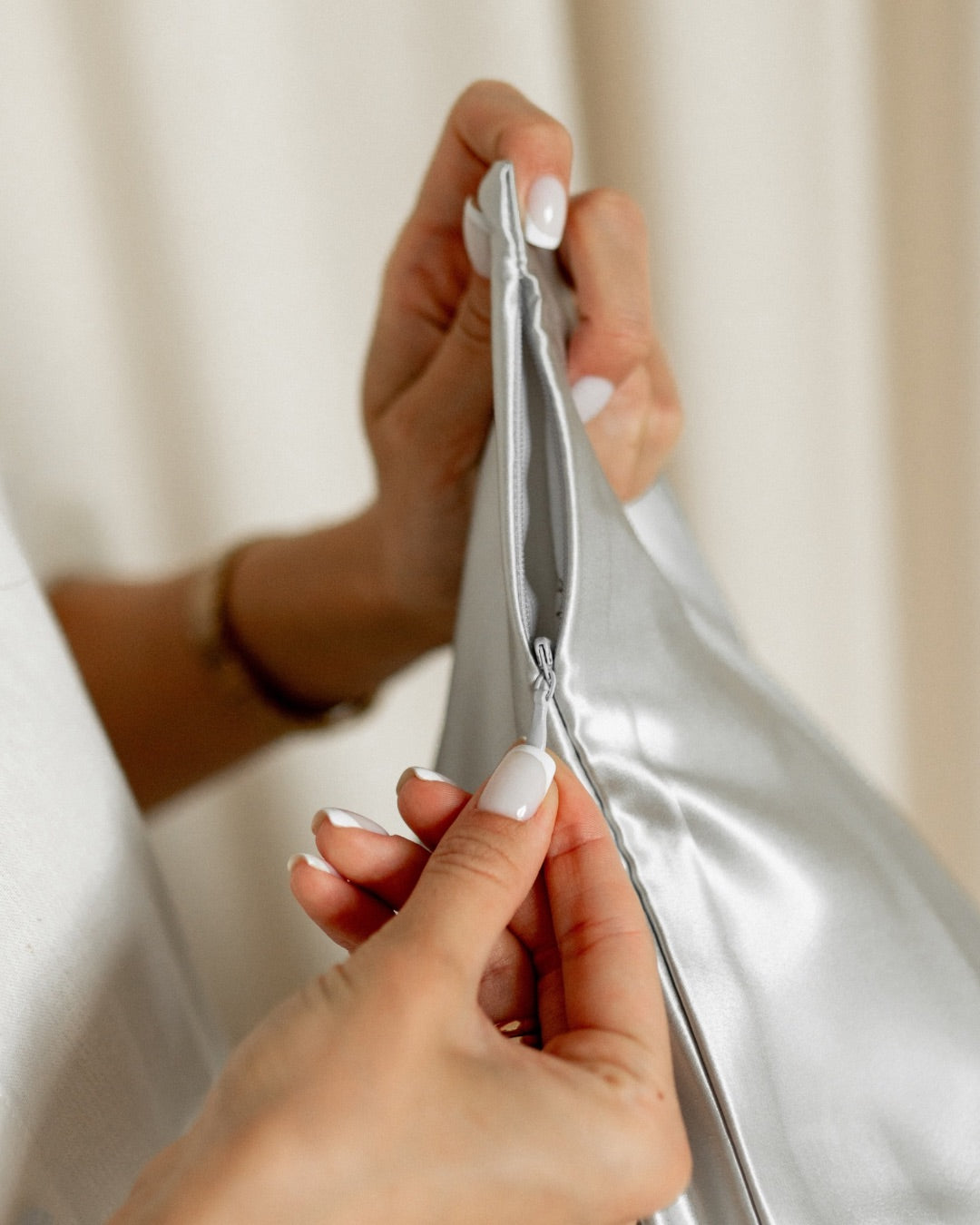
- Closure and seams: a smooth, secure construction matters in daily use.
- Care: can you follow its washing instructions and replace it regularly with a clean cover?
For silk specifically, my seven-point buying checklist explains how to judge silk composition, momme, size and construction. For realistic benefits, read my silk pillowcase guide for hair.
What a pillowcase cannot do
A smoother surface may help reduce mechanical rubbing and morning tangles, but it cannot change the natural hair-growth cycle or repair chemical damage. It also cannot treat acne, eczema or wrinkles. I would rather sell a product on its real composition and pleasant feel than attribute medical powers to a fabric.
My conclusion: if hair-friendly surface feel and premium natural material are my main priorities, I choose our 22 momme Mulberry silk pillowcase. Cotton sateen and polyester satin can still be sensible depending on budget and laundry habits. Choose what fits your actual routine, not a dramatic before-and-after claim.
Frequently asked questions
Is silk better than satin for hair?
Silk is a fibre, satin a weave. Silk satin and polyester satin can both feel smooth. Check the actual composition before comparing them.
Is bamboo pillowcase fabric naturally antibacterial?
Do not assume that bamboo-derived viscose retains the properties of the original bamboo plant. Look for specific substantiation.
Will a silk pillowcase stop split ends?
No. It may reduce some avoidable friction, but cannot repair an already split hair shaft.
Which pillowcase is easiest to wash?
It depends on the care label, but many everyday cotton covers fit a standard laundry routine more easily than delicate silk.
Share:
Best Pillowcase for Your Hair Type: 6 Buying Scenarios