


Is a silk pillowcase worth it? I think the answer depends less on luxury branding and more on whether you value the things genuine silk is actually good at: a very smooth surface, a distinctive feel, careful construction and a lower-friction sleep routine for hair and skin.
I would not buy a silk pillowcase because someone promised clearer skin, wrinkle prevention or perfect hair. I would buy it if the material specification is transparent, the construction is good and I know I will use it regularly rather than treat it as a decorative luxury.
What are you paying for with a silk pillowcase?
With a genuine silk pillowcase, the price should reflect more than shine. I would expect to see:
- clearly stated silk fibre content;
- a useful momme specification;
- consistent sewing and finishing;
- a secure closure;
- precise dimensions;
- care instructions that make sense for silk;
- a seller who is clear about returns, delivery and product composition.
If the only information is "luxury silky pillowcase", I would not pay a premium.
Why does momme matter to value?
Momme describes silk fabric weight. It is useful because it gives you one measurable specification when comparing products, but I do not treat it as a universal quality score.
Kaleja Silks uses 22 momme 100% Mulberry silk for our pillowcase. I like 22 momme as a pillowcase specification because it gives the fabric a substantial everyday feel. I would still judge it together with construction and care.
For the broader explanation, see What Is Silk Momme?.
What does a silk pillowcase realistically do for hair?
The realistic advantage is the smooth contact surface. Hair moves across your pillow repeatedly during the night. A smoother surface can reduce unnecessary rubbing, snagging and disruption to the hairstyle.
It cannot repair split ends, make hair grow faster or reverse chemical damage. I prefer the honest version because friction reduction is already a practical benefit.
What does it realistically do for skin?
For skin, the benefit I focus on is also mechanical: a smooth surface can create less drag and fewer temporary fabric creases than a rougher textile.
A silk pillowcase is not an acne treatment and I would not call it an anti-ageing treatment. If acne, rosacea, eczema or persistent irritation is the problem, appropriate skincare or medical advice matters much more than fabric alone.
Is a silk pillowcase worth it if you already use satin?
This depends on what you mean by satin. Satin is a weave, not a fibre. A polyester satin pillowcase can also feel smooth and may cost much less. If your only goal is a slippery surface, polyester satin can be a practical lower-cost choice.
If you specifically want natural silk, check fibre composition. I explain the distinction in Silk vs Satin.
How should you think about cost per night?
This is how I think about premium everyday products. A pillowcase is used for hours almost every night, so the purchase is very different from an accessory you wear twice a year.
If a quality pillowcase lasts a long time with proper care, the cost spreads across hundreds of nights. That does not make every expensive pillowcase good value, but it is more useful than judging the purchase only on the day you buy it.
What are the hidden costs of silk?
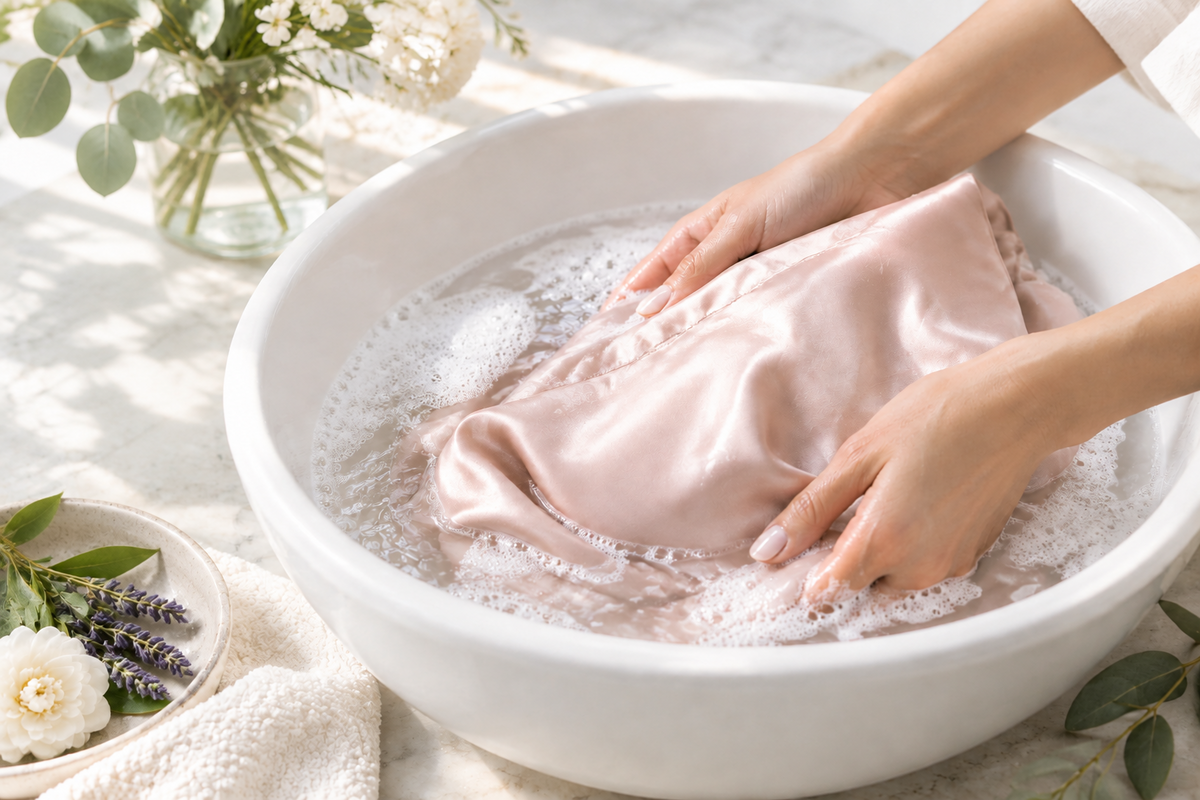
The main hidden cost is care. Silk needs a gentler wash, an appropriate detergent and air drying. If delicate laundry already feels like a burden, that matters.
Some people also prefer owning two pillowcases so one can be in the wash while the other is on the pillow. That increases the initial cost but makes regular cleaning easier.
Who may notice the biggest practical difference?
I would expect silk to feel most relevant to someone who:
- has long, dry, colour-treated or easily tangled hair;
- has curls or styling they want to disturb less overnight;
- likes a very smooth pillow surface;
- finds rougher fabrics uncomfortable against the face;
- already values premium bedding and will care for it properly.
Who may not need one?
If you are completely happy with your current bedding, do not want a delicate-care routine and mainly need something inexpensive that can handle ordinary high-volume laundry, cotton may be the better purchase.
I do not think every customer needs every Kaleja Silks product. A premium product should solve a real preference in your routine.
How do I judge whether a silk pillowcase is overpriced?
- Is it actually 100% silk?
- Is the silk type stated?
- Is momme stated correctly?
- What are the exact dimensions?
- How is it closed?
- Are the seams and finishing clear?
- Are customer reviews available?
- Can you find clear returns and company information?
For a complete buying checklist, read How to Choose a Silk Pillowcase.
My answer after building Kaleja Silks
For me, a silk pillowcase is worth it when it is treated as an everyday textile rather than a miracle beauty device. I value the smooth surface, the feel of real silk, transparent 22 momme specification and the fact that this is a product that becomes part of a nightly routine.
See current colours, sizes, specifications and customer reviews on the Kaleja Silks Mulberry Silk Pillowcase 22 Momme page.
Frequently asked questions about whether silk pillowcases are worth it
Are silk pillowcases just a luxury?
They are a premium textile, but there is a practical material difference: genuine silk provides a very smooth surface and a distinct feel from common cotton bedding.
Are cheap satin pillowcases the same?
No. Many inexpensive satin pillowcases are polyester. They can still be smooth, but the fibre is different from natural silk.
Is 22 momme worth paying for?
22 momme is a useful premium pillowcase specification because it provides a substantial fabric weight. It should still be judged together with fibre content, sewing and construction.
Do I need two silk pillowcases?
No, but two can make weekly washing easier because one can be used while the other dries.
How do I choose a quality silk pillowcase?
Check fibre content, momme, size, closure, construction, care instructions and seller transparency. My seven-point buying guide explains each one.
Share:
Silk Pillowcase vs Cotton: What Actually Changes Overnight?
How Long Does a Silk Pillowcase Last? Care, Wear and Replacement