


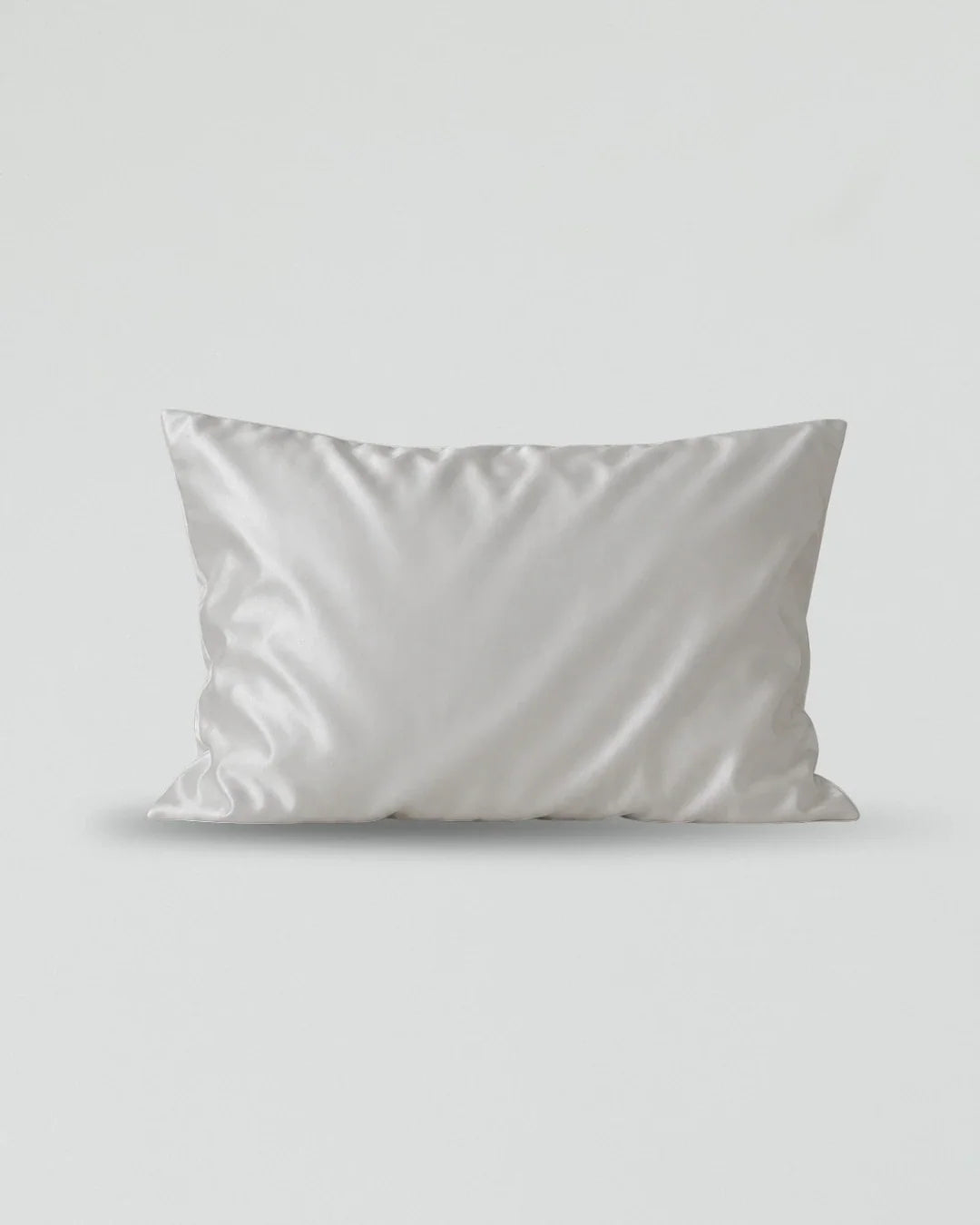
If you are choosing between a silk and a bamboo pillowcase, the first question is not which one wins. It is what the two labels actually mean. A silk pillowcase is made from silk fibre, while a soft product advertised as “bamboo” is often made from regenerated cellulose, such as viscose derived from bamboo. Both can feel smooth. They differ in fibre, price, care and the information you should look for before buying.
As the founder of Kaleja Silks, I prefer a clear material comparison to promises about perfect hair or flawless skin. Here is how I would assess the choice, including reasons why bamboo may be the more practical option for some people.
Silk vs bamboo pillowcase: the quick answer
Choose genuine silk if your priority is a particularly smooth sleeping surface, the feel of natural silk, and you are comfortable with more delicate care and a higher price. Consider a well-made bamboo-derived viscose or lyocell pillowcase if you prefer a plant-derived fibre, have a tighter budget or find its feel and care instructions more suitable. Neither fabric is a treatment for acne, wrinkles or hair loss.
| What matters | 100% Mulberry silk pillowcase | “Bamboo” pillowcase, often bamboo-derived viscose |
|---|---|---|
| What it is | Natural protein fibre produced by silkworms | Regenerated cellulose fibre made from a plant source |
| Surface | Can be very smooth, especially with a satin weave | Can also be soft and smooth; depends on weave and finish |
| Hair and skin | Smooth surface may reduce avoidable rubbing | A smooth version may offer similar comfort; no universal winner |
| Washing | Usually needs silk-suitable detergent and gentle handling | Depends on the exact fabric and label; some are machine washable |
| Price | Generally a premium option | Often more affordable, but prices vary |
| Vegan suitability | Conventional silk is animal-derived | Bamboo-derived cellulose is plant-derived; check full composition |
| Environmental impact | Depends on sericulture, processing, dyeing and lifespan | Depends on forestry, cellulose processing, chemicals and wastewater management |
What is a bamboo pillowcase actually made of?
“Bamboo” is not a complete fibre description. Bamboo can be mechanically processed into a textile, but the very soft bamboo pillowcases commonly sold online are more often viscose (rayon) made from bamboo. This means bamboo has supplied cellulose that was chemically processed into a new fibre. Bamboo lyocell is another regenerated-cellulose option, made using a different process.
The US Federal Trade Commission specifically warns against describing bamboo-derived rayon as though it retained all the original plant's properties. For a useful material comparison, look for the actual fibre composition: viscose, rayon, lyocell or mechanically processed bamboo. The term “bamboo satin” may describe a weave or finish, not proof of silk.
This does not make bamboo-derived viscose a bad fabric. It simply means you deserve to know what you are buying.
Which is better for hair: silk or bamboo?
A pillowcase does not grow hair or repair split ends. What it can change is the surface your hair touches during sleep. Rougher surfaces can catch or disturb strands as you move; smoother surfaces may reduce some of that unnecessary mechanical friction.
Smooth silk and smooth bamboo-derived fabrics can both be comfortable for hair. It would be misleading to promise that silk always creates less friction than every bamboo pillowcase without comparing the actual finished fabrics in a controlled test. Weave, finish, age, seams and washing history matter.
If your hair is long, curly, bleached or easily tangled, I would compare how slippery the fabric feels and how it holds up after washing. If you want to understand silk's practical role without exaggerated claims, read my guide to silk pillowcases for hair.
Which is better for skin and sensitive sleepers?
Both types of pillowcase may feel pleasant against the face. A smooth surface can reduce rubbing relative to a rougher fabric, but there is no sound basis to promise that one pillowcase fibre cures acne, eczema, allergies or wrinkles. Skincare products, laundry products, hygiene, skin conditions and your wider routine also matter.
For sensitive skin, I would focus on a clean pillowcase, a detergent you tolerate, and a fabric that feels comfortable. No fibre is automatically hypoallergenic for everyone. If a product claims antibacterial effects just because it came from bamboo, ask for specific evidence: the original plant's properties cannot simply be assumed to survive viscose processing.
Is bamboo cooler or more breathable than silk?
You may see bamboo pillowcases advertised as “cooling” and silk as “temperature regulating”. These descriptions are too broad to settle the comparison. Fabric weight, weave, finish, moisture, pillow filling and bedroom conditions all affect how warm or cool a pillowcase feels.
Some people like the cool-to-the-touch feel of a lightweight bamboo-derived fabric; others prefer the touch of silk. If you sleep hot, check the complete product specification and return policy rather than relying on a guaranteed cooling claim.
Which pillowcase is easier to wash and maintain?
This is where lifestyle can outweigh material preference. Silk is a protein fibre that generally benefits from a gentle wash, a silk-appropriate detergent and air drying away from strong sunlight or heat. At Kaleja Silks, our product care instructions specify cool water and gentle handling; a delicate machine cycle is suitable when the label allows it.
Bamboo-derived viscose is not automatically indestructible or machine-washable at high temperatures. Viscose can be vulnerable when wet, and finishes vary. Check whether the exact product requires a delicate cycle, cold water, line drying or other precautions.
My rule: buy the pillowcase you are realistically willing to wash regularly and correctly. A beautiful pillowcase that is inconvenient to keep clean may be the wrong purchase.
Is bamboo more sustainable than silk?
Bamboo is a fast-growing plant, but that fact alone does not tell you the environmental footprint of a finished pillowcase. Turning bamboo cellulose into conventional viscose may involve chemicals and wastewater risks. Lyocell uses a different process, but you still need evidence about sourcing and production. Silk also has environmental impacts from raising silkworms, processing, dyeing and care.
I would not call silk or bamboo the universally greener choice without comparable lifecycle data. Look for credible, specific information about fibre content, manufacturing, certifications where relevant, care and durability, rather than a vague “eco-friendly” label.
For a useful explanation of bamboo textile claims, see the Federal Trade Commission’s consumer guide.
Why might a genuine silk pillowcase cost more?
Natural silk is typically positioned as a premium fibre. The price should be supported by transparent specifications, quality sewing, proper sizing and reliable care information, not simply a shiny photograph.
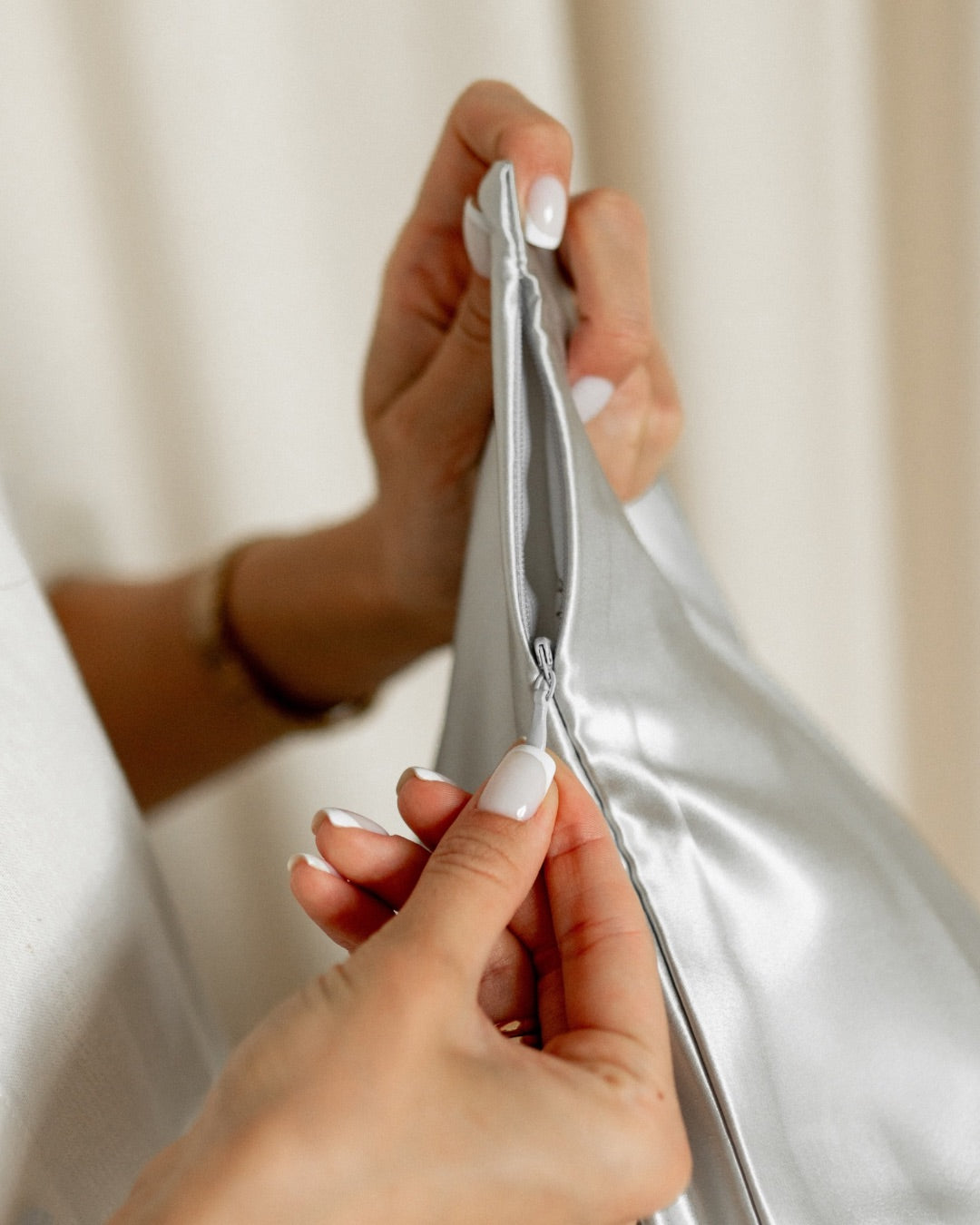
At Kaleja Silks, our Mulberry Silk Pillowcase is specified as 100% Mulberry silk, 22 momme, with a zipper closure and size options of 50 × 60 cm and 50 × 70 cm. Momme indicates silk fabric weight. It is not a rating that can be directly compared with the weight of bamboo viscose, nor does it prove quality on its own.
My separate seven-point silk pillowcase buying guide explains how to assess fibre, momme, construction and care.
My decision checklist: silk or bamboo?
Before paying, I would ask five questions:
- What is the exact fibre? 100% silk, bamboo viscose, bamboo lyocell or a blend?
- How does it feel? Is the finished fabric smooth enough for your preferences?
- Can I maintain it? Do the real washing instructions fit my routine?
- Is the claim supported? Are “cooling”, “antibacterial” or “sustainable” promises explained?
- Does the value make sense? Compare size, construction, return policy and price together.
If the answer to the first question is unclear, I would not choose based on the marketing name alone.
Frequently asked questions
Is a silk pillowcase better than bamboo for frizzy hair?
Not automatically. A smooth surface can help reduce unnecessary rubbing, but frizz is also affected by humidity, hair condition and styling. The actual finish of both pillowcases matters more than a blanket material claim.
Does a bamboo pillowcase have natural antibacterial properties?
Do not assume that bamboo-derived viscose inherits the antibacterial characteristics sometimes attributed to the living bamboo plant. Such a claim needs reliable evidence for the finished fabric.
Are bamboo satin pillowcases the same as silk?
No. Satin describes a weave; silk describes a fibre. A bamboo-derived satin fabric can be smooth, but it is not genuine silk unless the stated fibre composition includes silk.
Is silk or bamboo better for acne?
Neither is an acne treatment. Cleanliness, skincare, irritation triggers and medical care when needed matter much more than marketing claims about fabric.
Are silk pillowcases vegan?
Conventional silkworm silk is animal-derived and is generally not considered vegan. Bamboo-derived viscose and lyocell have plant-derived cellulose, although shoppers may still want to check dyes, finishes and the full product composition.
The choice I would make
I would choose a well-made silk pillowcase for the natural fibre and especially smooth feel, provided its care requirements fit my routine. I would choose bamboo-derived viscose or lyocell when plant-derived materials, budget or that particular fabric's feel were higher priorities. The right choice is not a universal beauty claim. It is a transparent label and a pillowcase you enjoy using.
If you want to compare silk with another common material, my silk vs cotton pillowcase guide covers a different, complementary decision.
Share:
7 Types of Heatless Curlers Compared: Which Should You Buy?
Best Pillowcase for Your Hair Type: 6 Buying Scenarios