


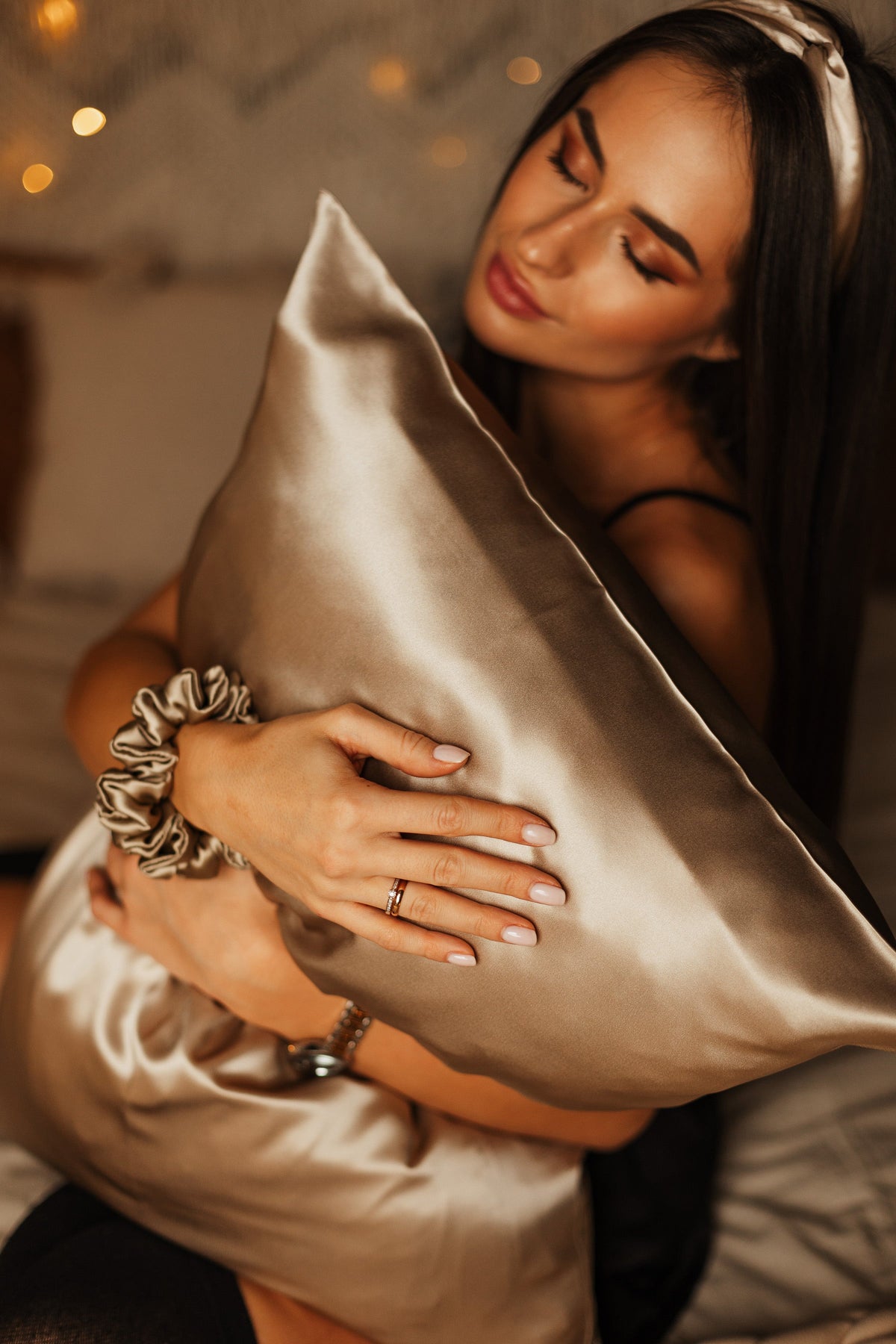
Is a silk pillowcase good for skin? It can provide a smooth, low-friction surface that some people find more comfortable against the face. What it cannot do is treat acne, stop skin ageing or replace appropriate skincare. I am deliberately drawing that line because beauty marketing around silk has often gone much further than a textile can realistically promise.
At Kaleja Silks, I want the skin conversation to be useful rather than dramatic. A pillowcase is a textile. Its realistic strengths are surface smoothness, comfort and the fact that it can be kept clean as part of a sensible night routine.
Does a silk pillowcase help acne?
I would not call silk an acne treatment. Acne is a complex skin condition involving clogged hair follicles, oil, bacteria and inflammation. Hormones and other factors can also play a role. The Mayo Clinic overview of acne causes is a useful reminder that the condition is much more complicated than pillowcase material.
What can matter is keeping things that touch your face clean. Hair and skincare product residue can transfer to bedding. The American Academy of Dermatology specifically advises washing items your head touches when oily hair products contribute to breakouts, including pillowcases and sheets.
So my position is simple: choose a surface you find comfortable, wash it regularly and do not expect the fibre itself to replace acne treatment.
Can a silk pillowcase prevent wrinkles?
I would not use the word prevent. A smooth surface can create less mechanical drag and may leave fewer temporary fabric creases after sleep, but permanent wrinkles are influenced by age, genetics, sun exposure, facial movement and many other factors.
Reducing unnecessary surface friction is reasonable. Promising that silk stops ageing is not.
What are sleep lines?
Sleep lines are temporary creases that can appear after the face has been pressed against bedding. Their appearance depends on sleeping position, the fabric surface and how wrinkled the pillowcase is.
A smooth pillowcase can feel gentler and may create less pronounced fabric impressions than a rougher, heavily creased textile. I see this as a comfort and friction question rather than an anti-ageing treatment.
Is a silk pillowcase good for sensitive skin?
Some people with sensitive skin prefer very smooth fabrics because they feel less abrasive. That preference is reasonable, but sensitive skin has many possible causes.
If you have persistent redness, itching, eczema, dermatitis or another skin condition, a pillowcase change should not replace diagnosis or treatment. The detergent used on the pillowcase may also matter as much as the fibre.
Is silk hypoallergenic?
I am careful with this word. "Hypoallergenic" is often used loosely in textile marketing, and it can sound like a guarantee that a product will not trigger allergies or irritation. I would rather avoid that guarantee.
People can react to many things in a sleep environment, including dust mites, detergents, fragrances and skincare products. If allergy control is the goal, follow evidence-based cleaning and environmental advice rather than relying on silk alone.
Does silk keep skincare on your face?
Silk often feels less absorbent at the surface than cotton, which is one reason this claim appears often. I think the safe conclusion is simply that the fabrics handle moisture differently.
I would not promise that a serum, moisturiser or active ingredient becomes more effective because you sleep on silk. Product formulation, amount applied, skin condition and the rest of the routine matter far more.
How often should you wash a pillowcase for skin hygiene?
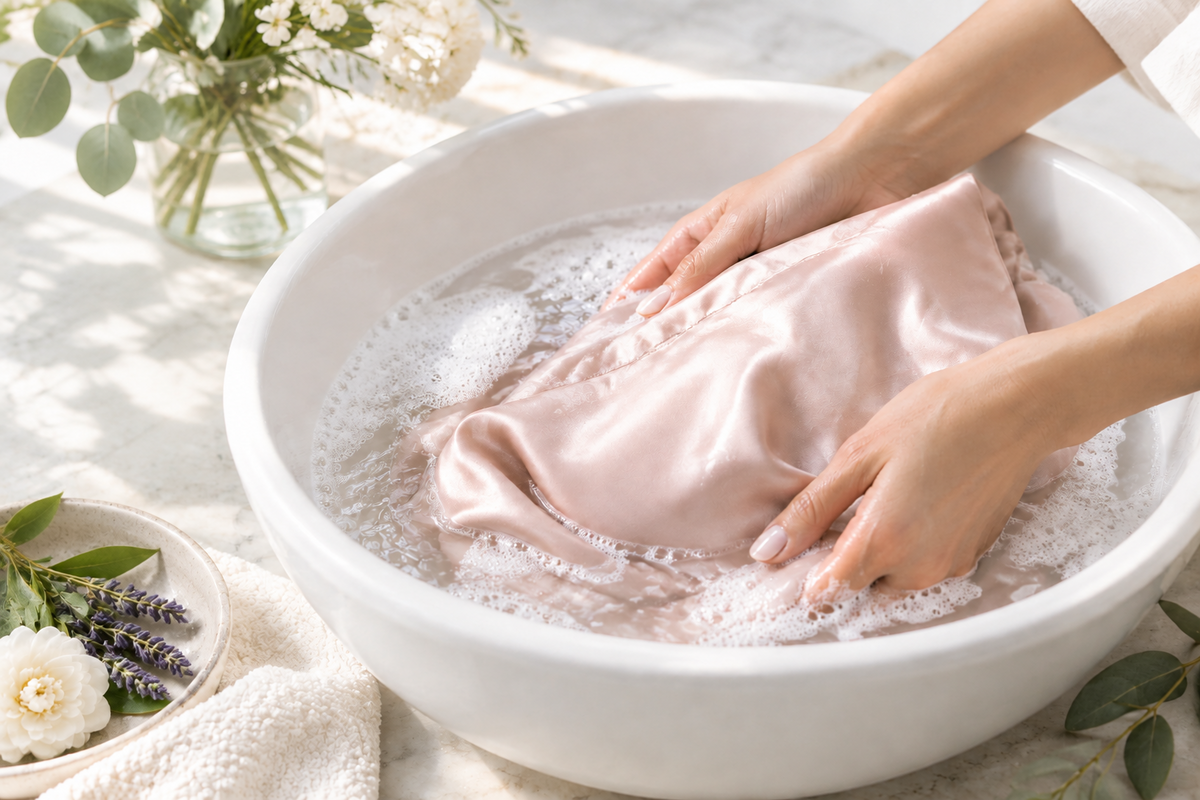
Regular washing matters regardless of the material. A weekly bedding routine is a practical starting point for many households, with more frequent changes if you sweat heavily, use oily hair products, are ill or simply prefer a fresher surface.
Silk needs gentler washing than cotton. I explain frequency and technique separately in How Often Should You Wash a Silk Pillowcase?.
What about bacteria on a silk pillowcase?
I would not market silk as self-cleaning or antibacterial bedding. Any pillowcase can collect skin oils, sweat, hair products and environmental debris. Regular cleaning is more useful than assuming the fabric protects itself.
What about dust mites?
A silk pillowcase is not the same as a certified dust-mite barrier cover. If dust-mite allergy is the concern, use measures designed for allergy control, such as appropriate encasements and a cleaning routine recommended by healthcare professionals.
Why did I choose silk for a product that touches the face?
Because I value a smooth surface. That is a concrete material characteristic I can explain honestly. I do not need to add medical promises to make the product meaningful.
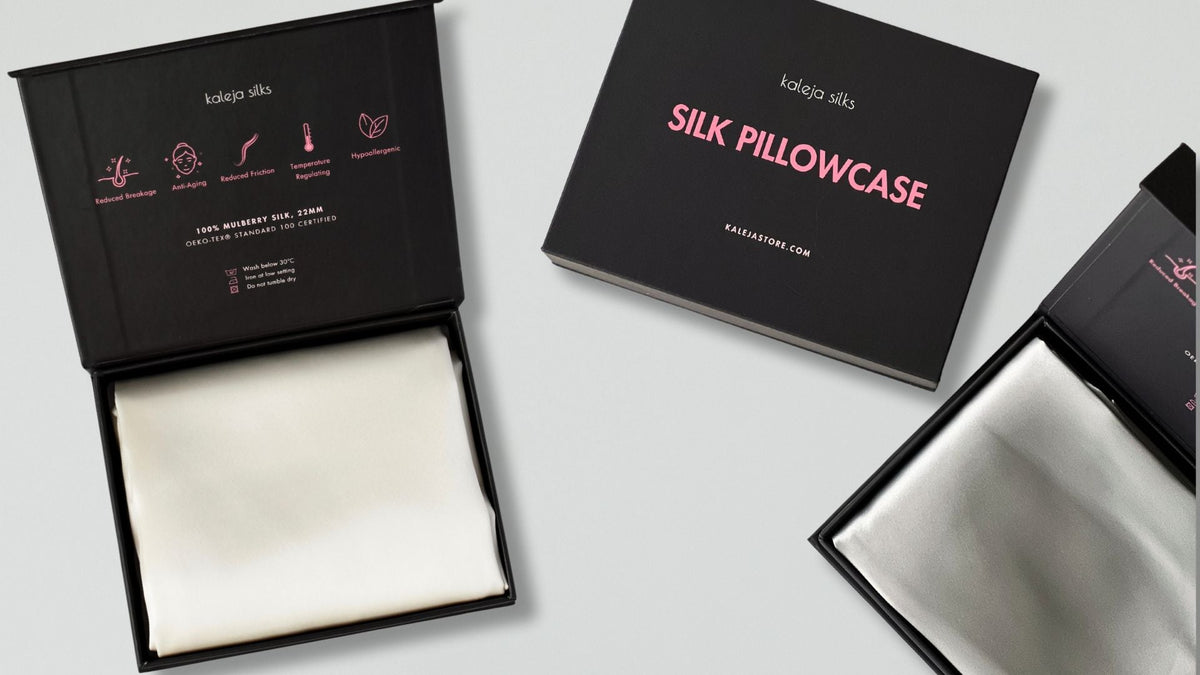
Our Kaleja Silks pillowcase uses 22 momme 100% Mulberry silk. If you are comparing materials, read Silk vs Satin and Silk Pillowcase vs Cotton.
Frequently asked questions about silk pillowcases and skin
Can a silk pillowcase cure acne?
No. Acne is a medical skin condition with multiple causes. A clean, smooth pillowcase can be part of a comfortable routine, but it is not acne treatment.
Can a silk pillowcase stop wrinkles?
No. It can reduce fabric friction and temporary sleep creases, but it cannot stop biological skin ageing.
Is silk good for sensitive skin?
Some people prefer its smooth feel. Persistent irritation or skin disease should be evaluated separately rather than treated with fabric alone.
Does silk absorb skincare?
Silk and cotton handle moisture differently, but I would not claim that silk makes skincare ingredients work better.
Should acne-prone skin use a clean pillowcase more often?
Keeping bedding clean is sensible, especially when sweat or oily hair products transfer to it. The ideal frequency depends on your routine and skin needs.
Share:
Silk Pillowcase for Hair: What It Helps With and What It Does Not
Heatless Curler Reviews: What Customers Really Say